Blog·
What is tree equity, and how does it differ from canopy cover percentage?
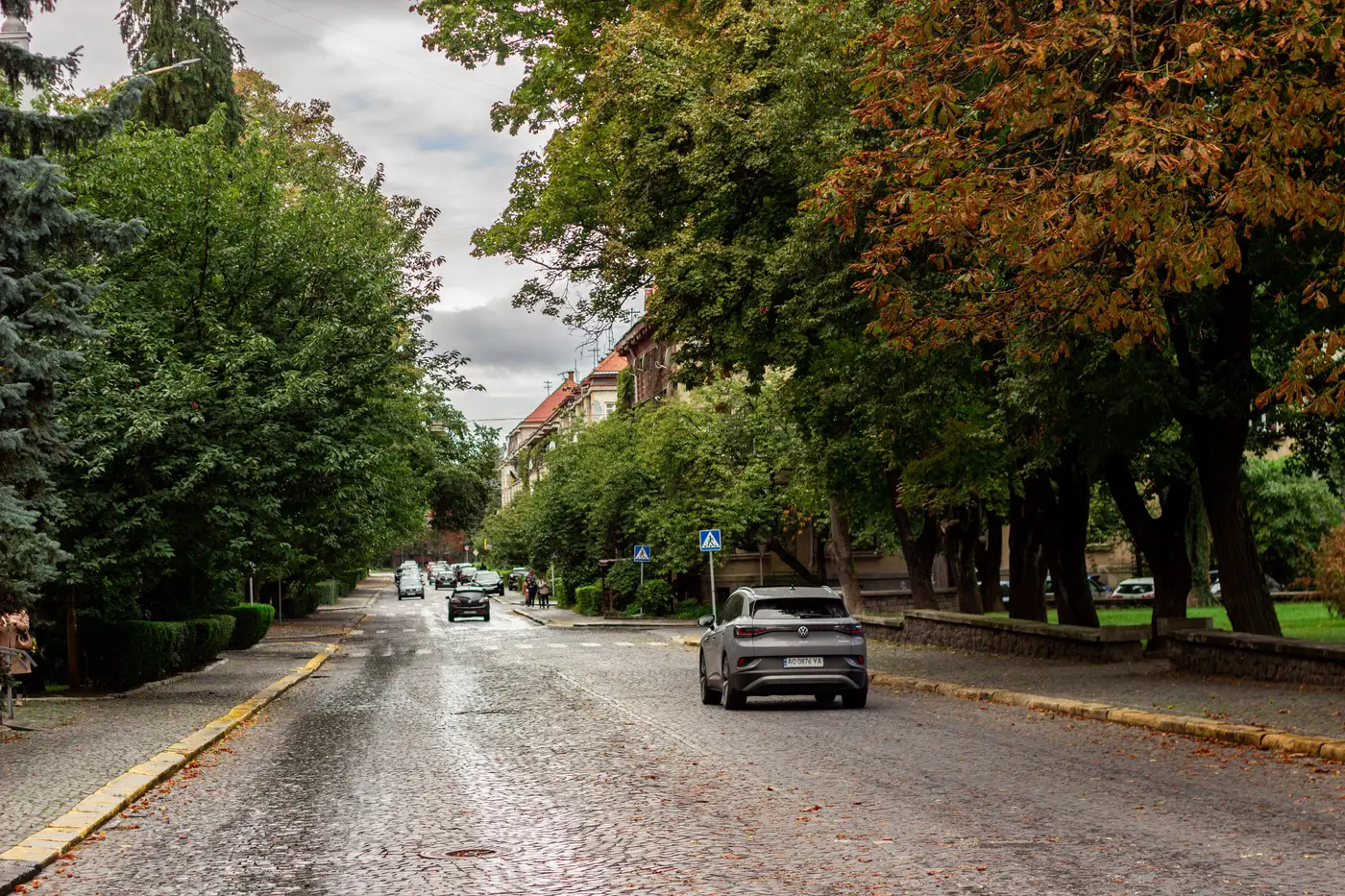
A city can report 28% canopy cover and still have a block near the industrial corridor sitting at 4%, two miles from a neighborhood at 45%. Both numbers are true. Neither tells you where to plant next. That gap between the citywide average and the block-level reality is what people mean when they talk about tree equity, and it's a different measurement than canopy cover percentage, even though the two get used interchangeably in council meetings more often than they should.
Canopy cover percentage is a citywide number
Canopy cover percentage answers one question: what share of the city's land area is shaded by tree crown, measured from above. It's useful for tracking progress against a citywide planting target, and it's the number that shows up in state of the urban forest reports and grant applications. But it's an average, and averages flatten the exact thing a forestry department needs to see to do its job: which blocks are carrying the canopy and which ones aren't.
A legacy streetcar suburb with 80-year-old oaks can pull the citywide average up by several points on its own. Meanwhile a postwar subdivision with narrow tree lawns, or a commercial strip that lost its street trees to utility work a decade ago, can sit at single digits without moving the citywide number much at all. Report the average and you've told the public something true and something useless at the same time.
Tree equity measures distribution, not just total cover
Tree equity asks a different question: does canopy cover line up with need, and does it line up with who lives there. American Forests' Tree Equity Score, the tool most planning departments now cite, combines canopy percentage with factors like income, employment, age, health, and surface temperature at the block group level, then scores how much canopy a block needs to close the gap with the rest of the city. A block can have decent canopy and still score low on equity if the population there is more exposed to heat, has lower tree-planting capacity, or has a documented history of disinvestment that left it with less green infrastructure in the first place.
Canopy cover percentage is a crown-cover count, nothing more. Tree equity layers income, heat exposure, and health data on top of that count to flag which blocks need shade most urgently, regardless of what the citywide total looks like. A department can hit its citywide planting target, add thousands of trees, and still watch the equity gap in urban forestry widen if every one of those trees goes into blocks that already had shade.
Why you need canopy cover by neighborhood, not just by city
Most canopy assessments still arrive as a single citywide percentage, sometimes split into a handful of planning districts if you're lucky, refreshed only when budget allows for a consultant survey. That cadence doesn't give you the resolution to run an equity-weighted planting program. You can't target the ten lowest-canopy blocks in a priority neighborhood if your data only comes in district-sized chunks every five or six years.
Running a Tree Equity Score analysis, or any equity-weighted planting plan, takes canopy cover measured down to the block, and it needs refreshing often enough to show whether last year's plantings actually moved the number in the blocks that needed it. A one-off survey tells you where things stood the year someone flew the flight. It doesn't tell you whether the 200 street trees your crews put in two summers ago survived, grew, or got mowed down by a utility contractor.
Block-level canopy tracking closes that loop: a canopy layer down to the block, refreshed every two years, so the equity analysis has current numbers behind it instead of a static snapshot from whenever the last survey got funded.
Urban Tree Canopy maps canopy cover block by block, the resolution an equity-weighted planting program runs on.